The Little Prince in 3D: how can a story happen in a space?
Sac’s scenes, character pipeline and watering-can animation suggest a practical starting point: validate one meaningful experience, then expand the world.

How can a space carry a story?
The Little Prince walking above clouds, lifting a watering can and entering a palace is visually compelling. Following our campus, interior, game and guesthouse episodes, we want to ask how a space can carry a story.
Sac / @Saccc_c said in the October 13 showcase that the 3D narrative game took 16 days; an October 15 process article explained scene and character production. Sixteen days is the creator’s own report. The public demonstration is edited footage, not our full play-test.
Begin by organizing the story
The creator used AI to organize scenes, characters and plot lines in a requirements document, then distributed work across image generation, asset generation, modeling tools and the game engine. Names including Fable 5.1, Image 2.5, Opus 5.5 and Astra are recorded as the creator described them, not as verified official versions or availability.
We suggest adding a player-action column. Caring for a rose involves more than a rose and a can: where is water obtained, what prompt appears, how does the action start, and what feedback follows? Those are our design questions, not confirmed game rules.
Give scene production a clear chain
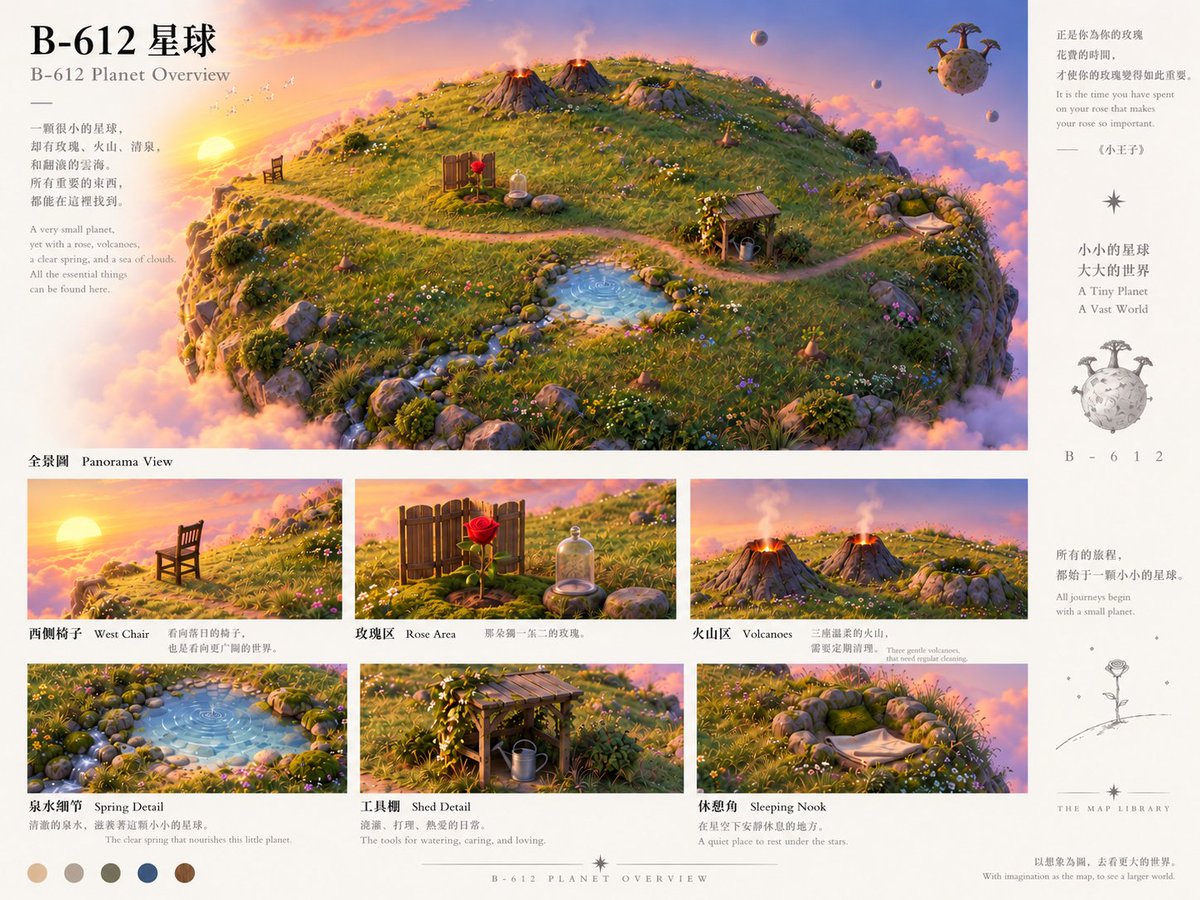
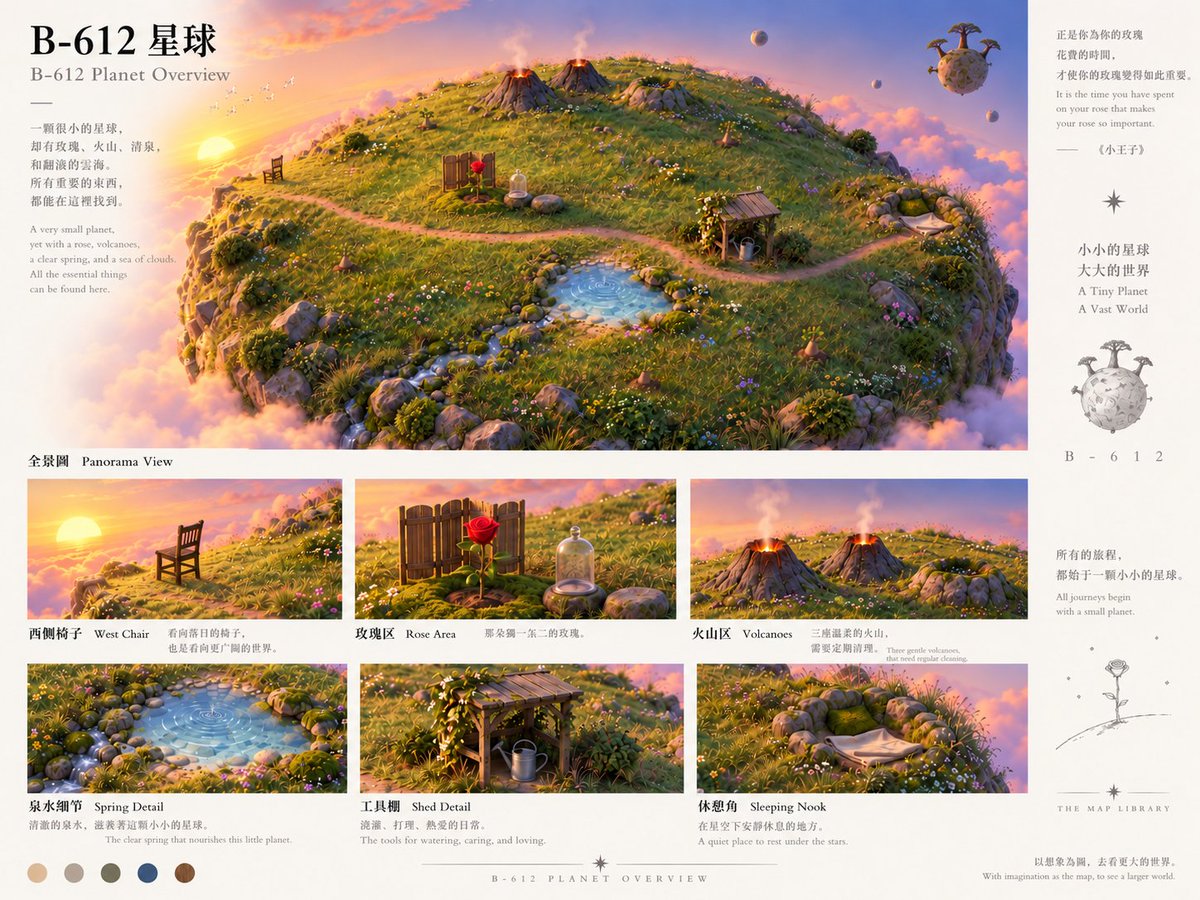
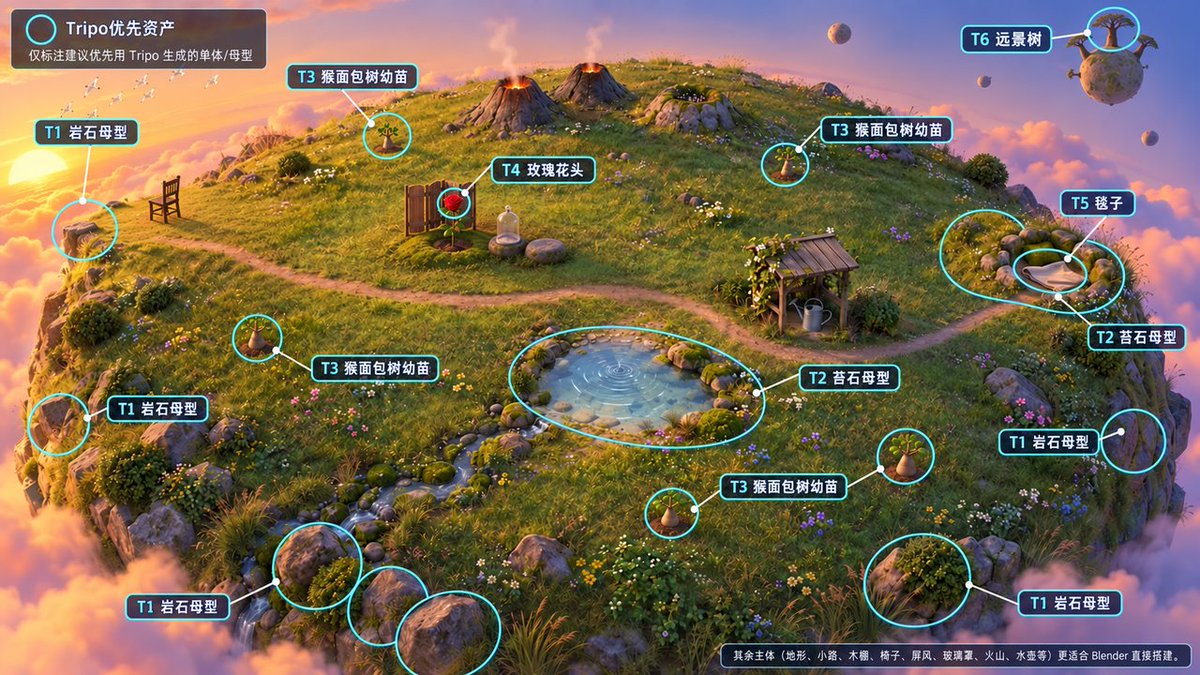
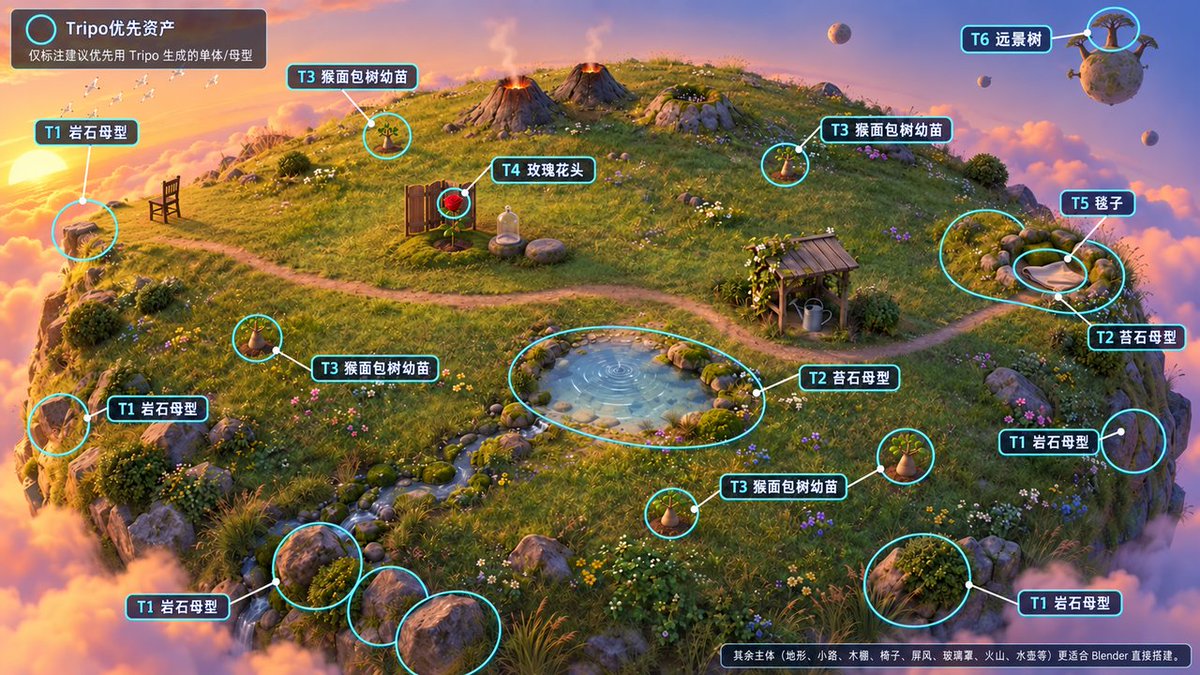
Reference images establish style, color and spatial relationships. The creator then separates objects to generate individually from structures to build in modeling tools. Tripo creates some props, Blender handles modeling and refinement, and Unity organizes the scene. Multiple views are compared with references.
Our lesson is to decide from the whole space how each asset should be made. An attractive model may still have the wrong scale, clash with its surroundings or block a route. Review its relationships as well as its individual appearance.
Judge characters in motion
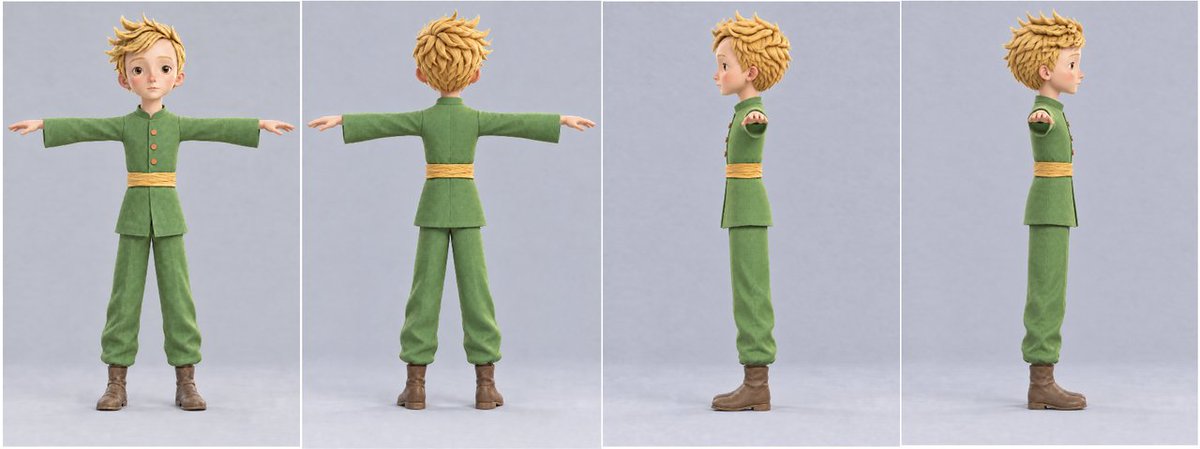
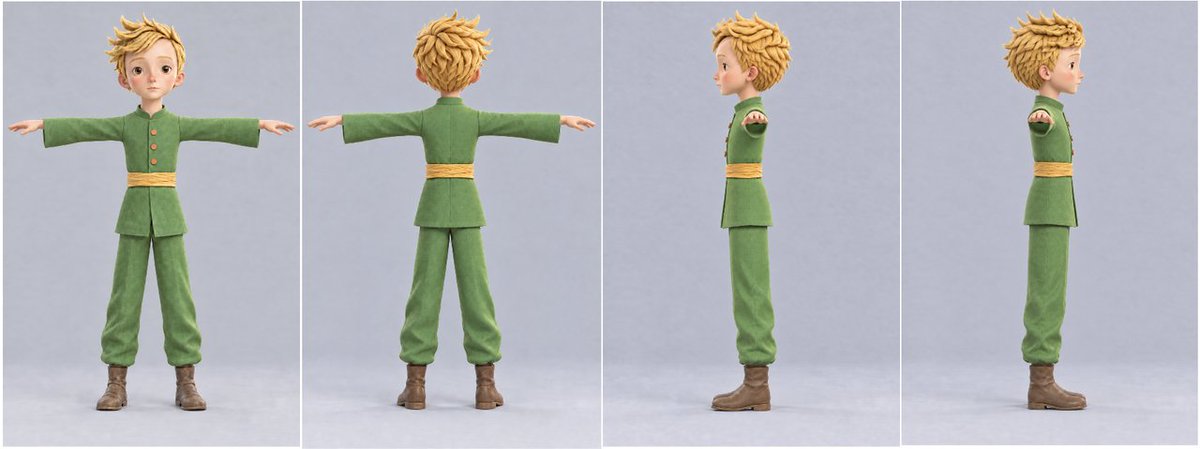
The creator prepares consistent T-pose views from four directions, generates a character in Tripo, rigs and skins it in Blender with Auto-Rig Pro, and adapts Mixamo actions. The article names H3.1 for scene props and Smart Mesh P2.0 for characters, emphasizing mesh checks before textures. These are choices in this case, not universal requirements.
Bones provide joints and controls; skinning determines how the surface follows them. Looking good while standing does not establish that raised arms, turns and bent legs will work. Character review requires movement tests.
One watering can reveals many issues
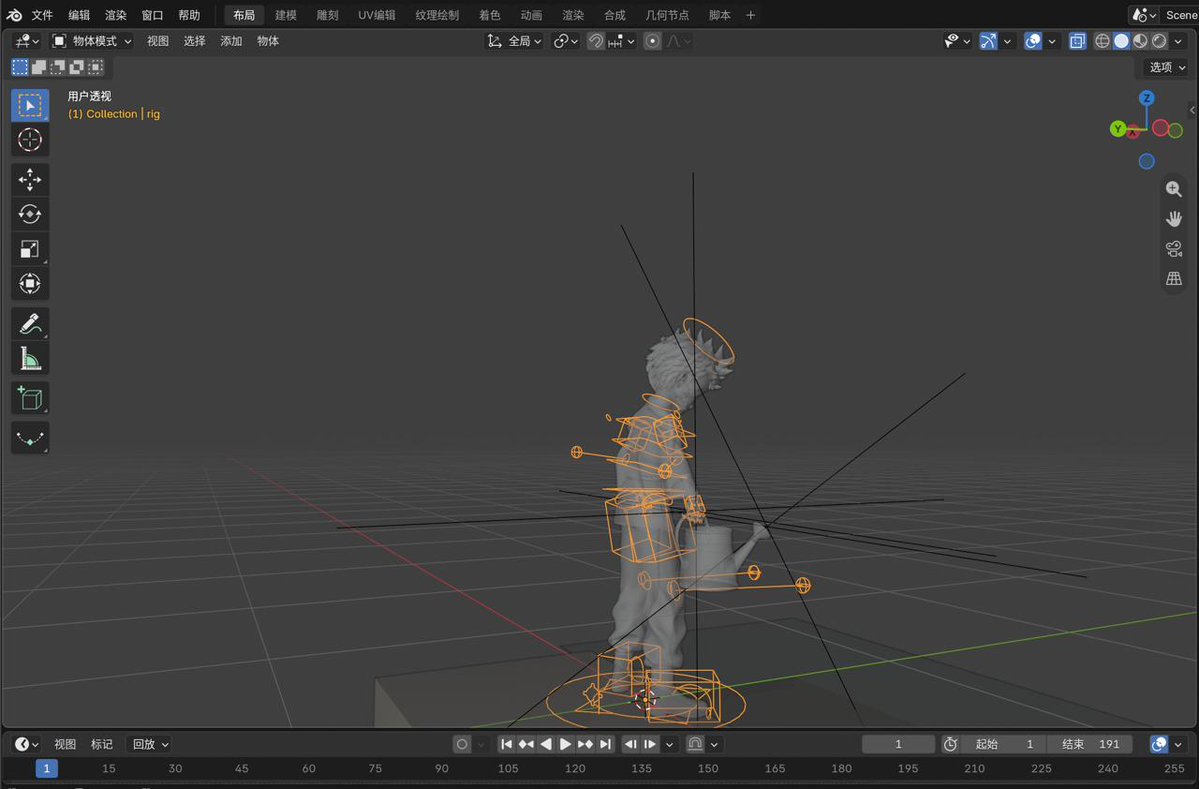
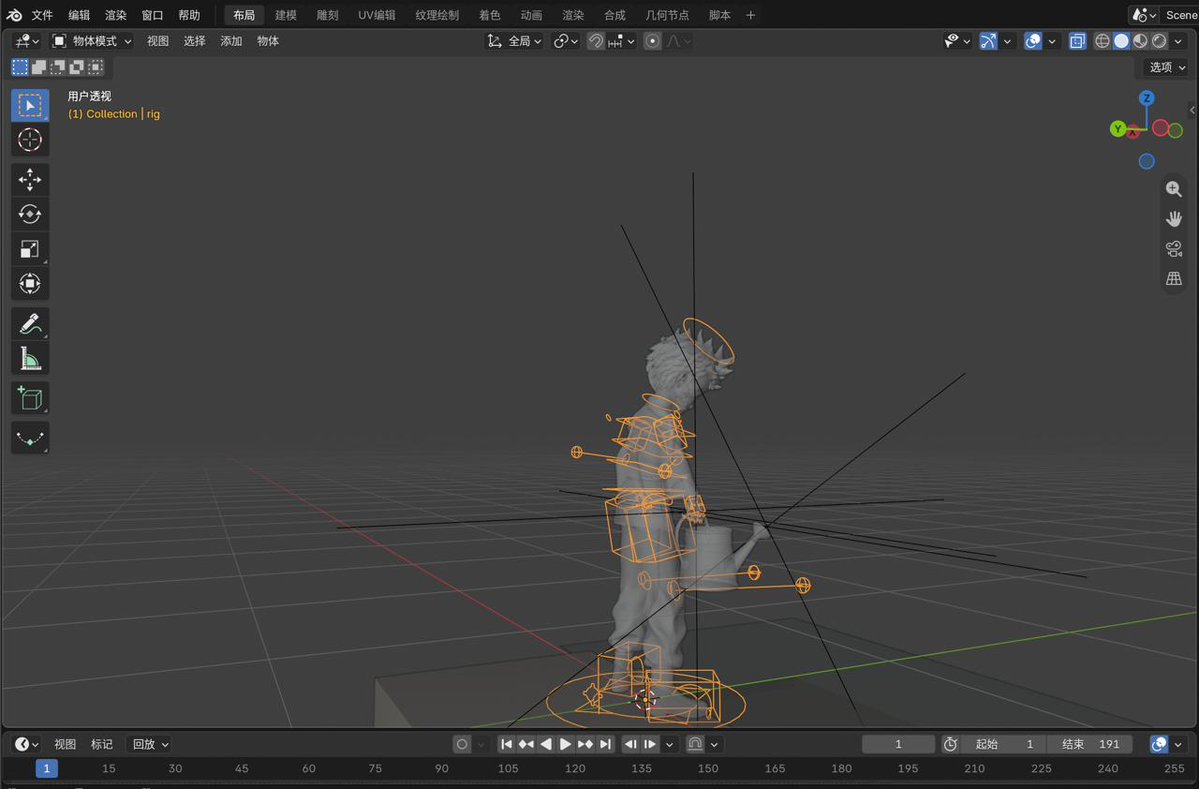
The creator describes adjusting arms, fingers and prop placement because a stock animation did not fit lifting a watering can. Checks include grip, clipping, separation and floating objects.
Our takeaway is specific: the closer an action is to player participation, the less a still image can validate it. Keeping a hand on a handle throughout movement is a checkable requirement. Doors, object pickup and handovers in other spaces can be reviewed in the same way.
Our view: validate one meaningful experience
AI can lower the barrier to building scenes and assets, but the creator still decides why a player approaches something and wants to stay. Start with one scene, one character and one action that can be completed, then expand.
For The Little Prince, caring for a flower or meeting the fox could be a starting question. We care about how action helps someone understand the story, not simply how many beautiful locations a camera passes. This is our interpretation, not the creator’s direct conclusion.
Which book would you enter? Write down a book, a scene, an action and a reason. A concrete action moves the discussion from imagination into design.
Sources and limits
This is an independent analysis of Sac’s public process article and demonstration, not a game we developed or fully play-tested. The reported 16 days and edited footage do not establish complete-game stability or every storyline.
The creator mentioned a future plan to open-source the project; we have not established that a repository is public. Tool and model names follow the creator’s account rather than official product documentation. Source review covered publicly visible material, not all login-only comments.
Key Takeaways
- Start from the whole space before dividing assets among tools.
- Review characters in motion, including grip and contact details.
- Complete one meaningful action before expanding the world.
Related Articles
I built a 3D campus with AI. Come take a walk.
Putting buildings, roads and viewpoints in one space makes scale and connections easier to discuss. Our first experiment starts at campus scale.
Read MoreExplore before you arrive: an interactive 3D guesthouse experiment
Walk around a concept guesthouse, collect an exploration guide, try a swing and look inside a room. Our experiment adds active exploration to an online spatial presentation.
Read MoreDesign classroom point rules that students can understand
Connect specific behaviors to consistent points, pet growth and rewards, and use homework completion records to support your rules.
Read More